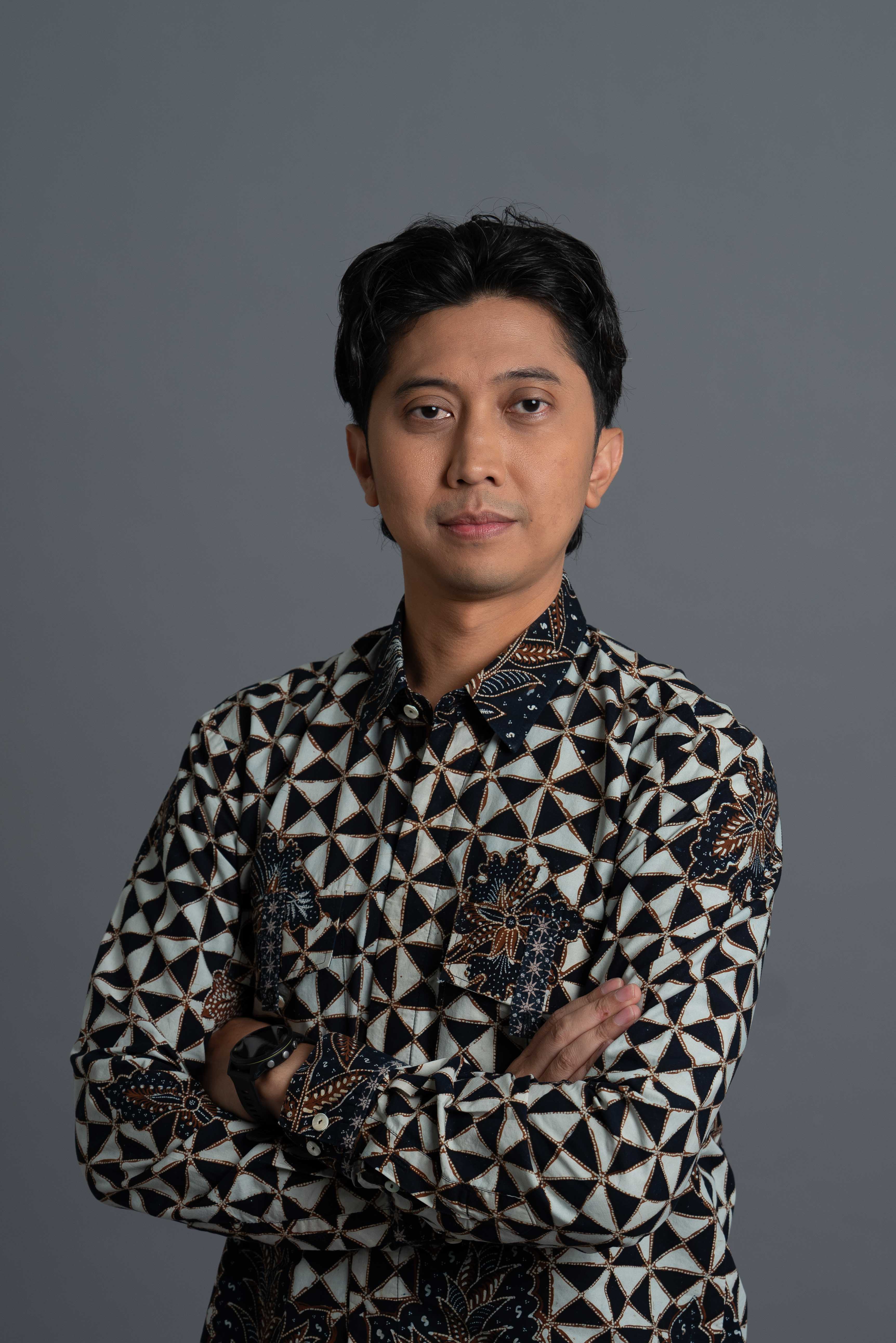
Endiyan Rakhmanda
Executive Director
Over 10 years of experience in AI, data, and government digital transformation. He focuses on translating public sector priorities into practical technology solutions, building transparent, citizen-centred services, and helping institutions become more agile, inclusive, and accountable in delivering public services.
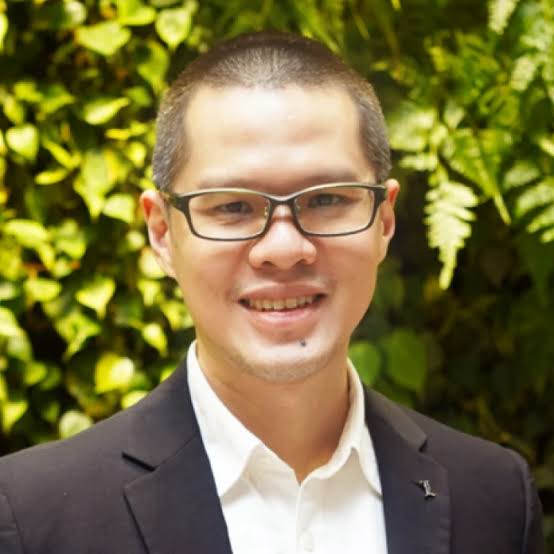
William Tjhi
AI & Digital Advisor
Over 15 years of experience in AI and machine learning across research, government, and industry. He focuses on developing language models for Southeast Asia, making AI more accessible across diverse languages and translating research into practical applications.
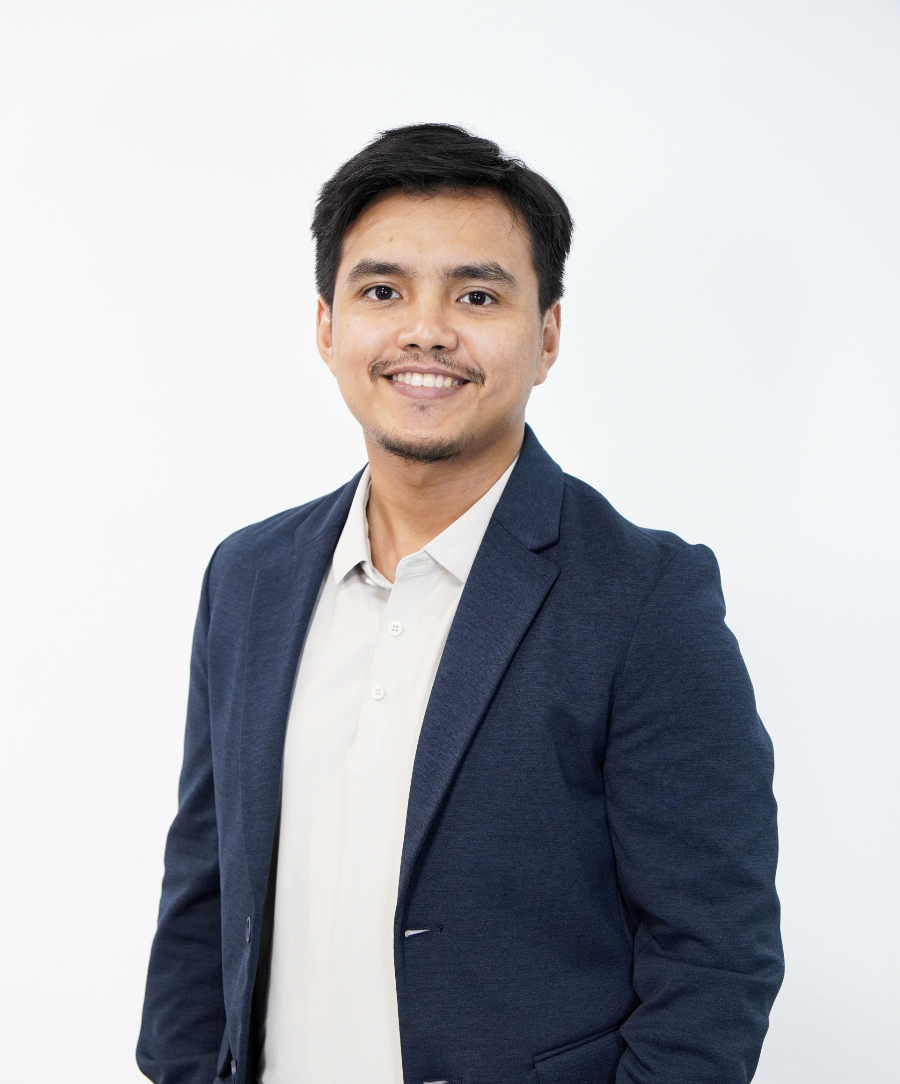
Giodio Mitaart
AI & Product Specialist
Experience in AI product development in banking/private sectors, digital strategy, and technology consulting. He focuses on translating business and policy needs into practical digital solutions that help organizations improve services.
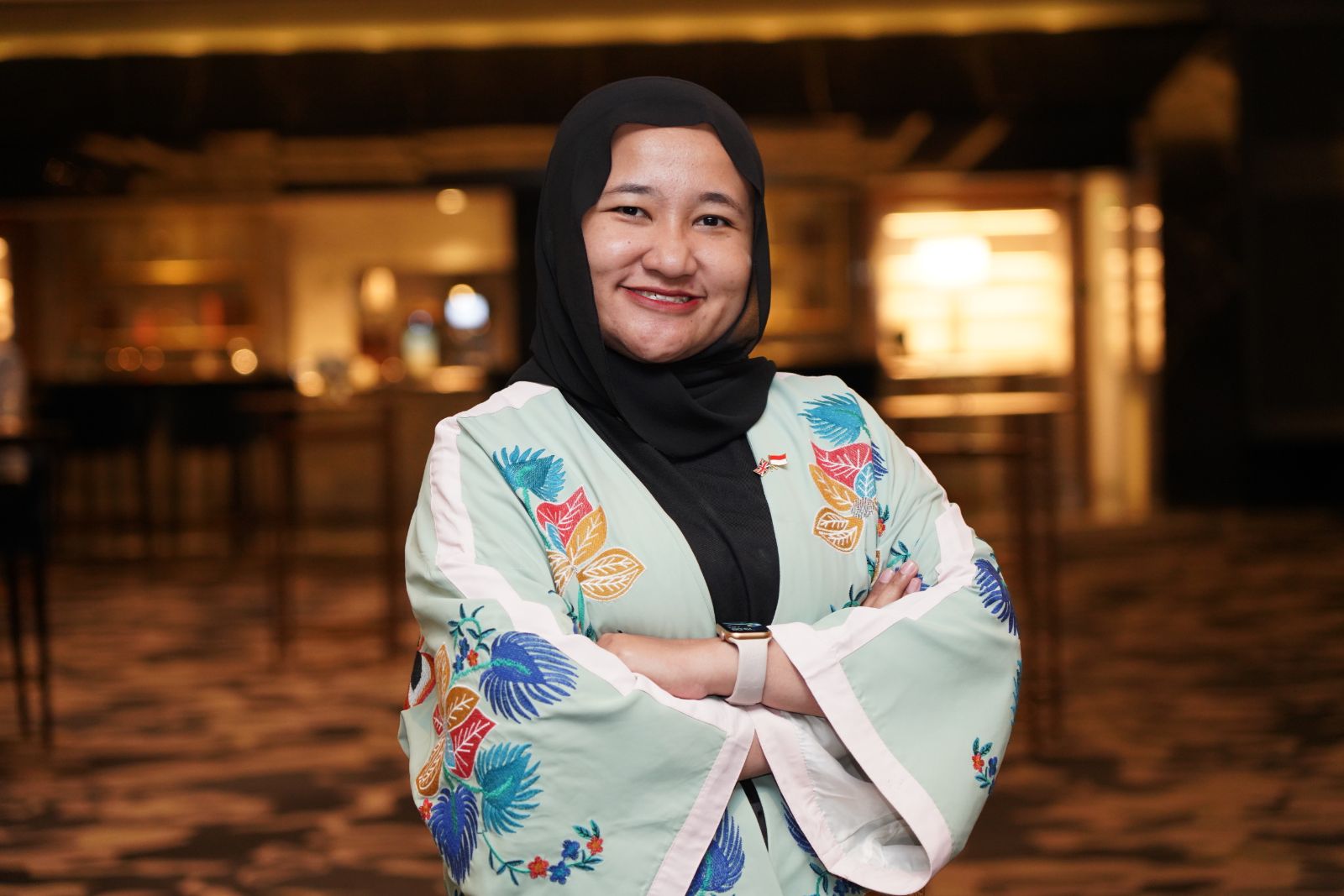
Rita Damayanti
Executive Partnership
8+ years of experience managing funded digital programmes for the UK Government (British Embassy Jakarta) in Indonesia. She focuses on translating strategic priorities into effective delivery, building trusted partnerships, ensuring inclusive, and also accountable program implementation.
Hilmy Hanif
Digital Specialist
Works at the intersection of digital technology, public policy, and strategic transformation. Focuses on shaping AI policy, strengthening data governance, and guiding digital public service development, helping institutions translate complex priorities into practical solutions that respond to people’s needs.
Endiyan Rakhmanda
Executive Director
Over 10 years of experience in AI, data, and government digital transformation. He focuses on translating public sector priorities into practical technology solutions, building transparent, citizen-centred services, and helping institutions become more agile, inclusive, and accountable in delivering public services.
William Tjhi
AI & Digital Advisor
Over 15 years of experience in AI and machine learning across research, government, and industry. He focuses on developing language models for Southeast Asia, making AI more accessible across diverse languages and translating research into practical applications.
Giodio Mitaart
AI & Product Specialist
Experience in AI product development in banking/private sectors, digital strategy, and technology consulting. He focuses on translating business and policy needs into practical digital solutions that help organizations improve services.
Rita Damayanti
Executive Partnership
8+ years of experience managing funded digital programmes for the UK Government (British Embassy Jakarta) in Indonesia. She focuses on translating strategic priorities into effective delivery, building trusted partnerships, ensuring inclusive, and also accountable program implementation.
Hilmy Hanif
Digital Specialist
Works at the intersection of digital technology, public policy, and strategic transformation. Focuses on shaping AI policy, strengthening data governance, and guiding digital public service development, helping institutions translate complex priorities into practical solutions that respond to people’s needs.